
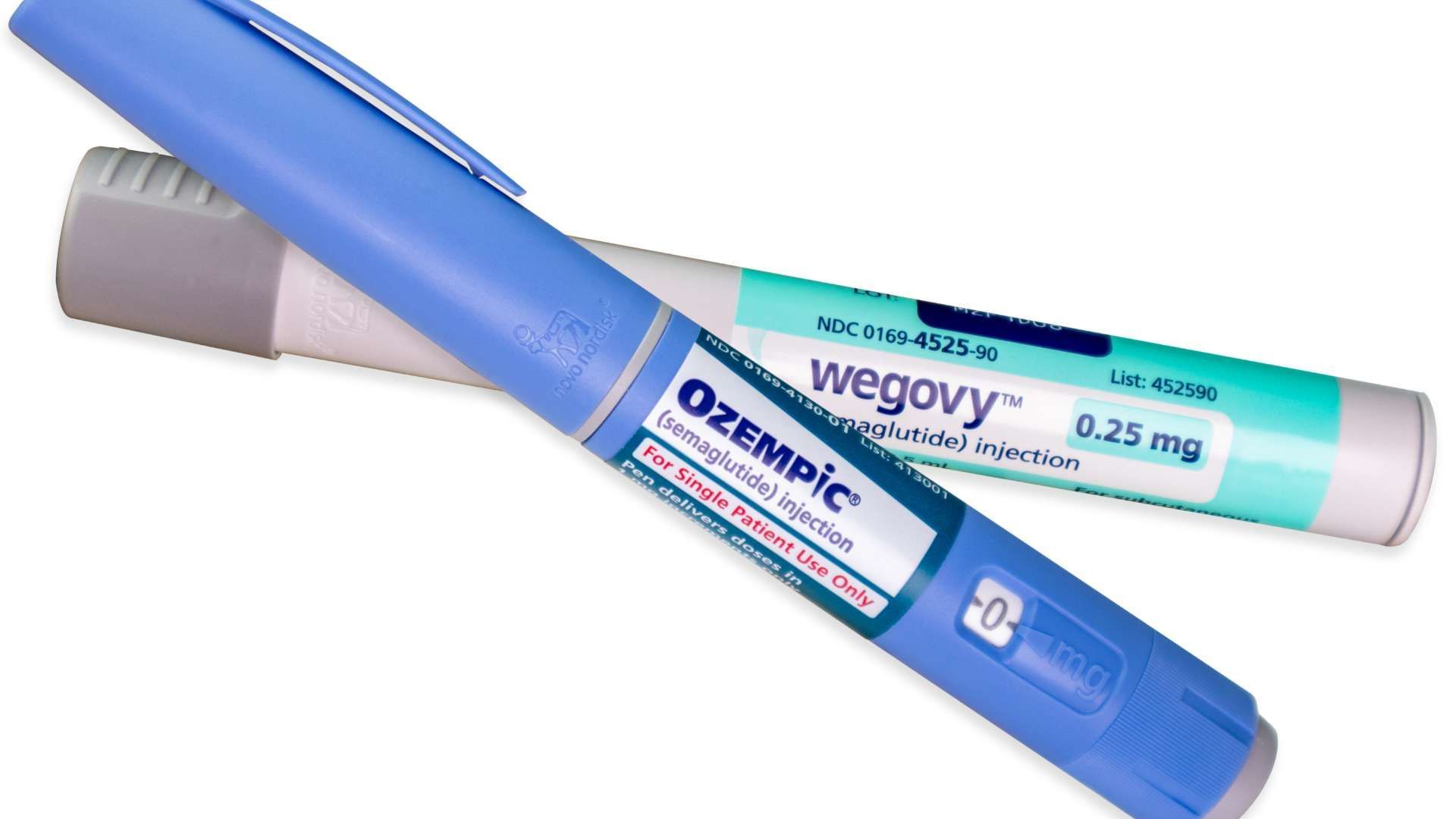
What Happens When You Stop Taking Ozempic or Wegovy? The Truth About GLP-1 and Weight Regain
Key Points
- Research published in the British Medical Journal found that patients who stop GLP-1 medications like Wegovy or Mounjaro regain weight four times faster than people who stop conventional dieting and exercise programs.
- Weight regain after stopping GLP-1 medications is driven by biology, not willpower. The hunger hormones and appetite signals that the medication was suppressing return to their previous levels when treatment stops.
- This does not mean GLP-1 medications do not work. It means obesity is a chronic disease that requires long-term management, the same way high blood pressure or diabetes does.
- The patients who maintain results long term are those who use their time on medication to build sustainable nutrition habits, increase physical activity, and address behavioral factors alongside the medication.
- Nova Physician Wellness Center offers long-term physician-supervised support, including weight maintenance planning, to help patients protect their results after reaching their goal.
- Most major insurance plans are accepted, including Medicare and Medicaid.
If you have been on Ozempic, Wegovy, Mounjaro, or Zepbound, you have probably wondered at some point: what happens if I stop?
Maybe you are thinking about the cost. Maybe you are wondering whether you will need to take it forever. Maybe you saw a headline that scared you. Whatever brought you to this question, it is one of the most important ones you can ask, and it deserves a straight answer.
Here is the truth: for most people, stopping a GLP-1 medication without a long-term plan in place leads to meaningful weight regain. Research published in the British Medical Journal found that patients who come off GLP-1 medications like Wegovy or Mounjaro regain weight four times faster than people who stop conventional dieting programs. That is a significant finding, and it went wide in early 2026.
But here is what those headlines almost always leave out: this is not a failure of the medication. It is a feature of the disease.
Why Obesity Is a Chronic Disease, Not a Temporary Condition
To understand why weight comes back after stopping GLP-1 medications, you first have to understand what obesity actually is.
Obesity is not simply the result of eating too much. It is a chronic, biologically driven disease involving hormonal dysfunction, metabolic adaptation, genetic predisposition, and environmental factors that work together to defend a higher body weight. The body has powerful systems in place to resist weight loss and push back toward its previous set point.
This is the same reason that most people who lose weight through dieting alone regain it within five years. The biology does not reset just because the number on the scale changed. And when a medication that was helping regulate appetite and metabolism is removed, those biological forces come rushing back.
This is not a character flaw. It is physiology. And it is why obesity treatment needs to be approached with the same long-term mindset as any other chronic disease management.
What Actually Happens in Your Body When You Stop a GLP-1GLP-1 medications work by mimicking a natural gut hormone that signals fullness, slows gastric emptying, and helps regulate blood sugar. While you are taking the medication, your appetite is meaningfully reduced and your body is receiving consistent signals to stop eating sooner.
When you stop, those signals stop too. And your body does not simply return to neutral. Research consistently shows that:
- Ghrelin, the hunger hormone, rebounds and often overshoots, meaning you feel hungrier than you did before you started the medication
- Leptin, the fullness hormone, drops, meaning it takes significantly more food to feel satisfied
- Your metabolism, which may have already adapted to a lower calorie intake, does not automatically adjust upward to compensate
- The dopamine-driven reward signals around food, which GLP-1 medications partially modulate, return in full
The result is a biological environment that strongly favors eating more and storing fat. Without a comprehensive strategy in place, weight regain is not just likely. It is the expected outcome for most patients.
Does This Mean GLP-1 Medications Are Not Worth It?
Absolutely not. This is the conclusion that bad headlines tend to push people toward, and it misses the point entirely.
GLP-1 medications are among the most effective tools for weight loss that medicine has ever produced. Clinical trials for semaglutide showed average weight loss of around 15 percent of total body weight. Tirzepatide showed losses of up to 20 percent or more. These are results that were essentially impossible to achieve with medication before this class of drugs existed.
The point is not that GLP-1 medications do not work. The point is that they work in the same way that blood pressure medication works. They are managing a chronic condition. If you stop your blood pressure medication without addressing the underlying condition, your blood pressure comes back. If you stop a GLP-1 medication without a long-term management strategy, your weight tends to come back.
This framing matters because it changes the conversation from "did the medication fail?" to "what does long-term management of this condition actually look like?"
Who Is Most Likely to Maintain Results After Stopping?
Not everyone regains at the same rate after stopping GLP-1 medications. The patients who maintain the most meaningful results are those who used their time on medication strategically to build the foundation that keeps working after the medication stops.
That means:
Building sustainable nutrition habits. Patients who work with a registered dietitian or certified nutrition specialist during treatment learn how to eat in a way that supports their weight without relying entirely on reduced appetite from medication. Nutritional counseling during the active treatment phase is one of the strongest predictors of long-term success after stopping.
Protecting lean muscle mass. GLP-1 medications reduce overall calorie intake, and when protein intake is insufficient, some of that loss comes from muscle rather than fat. Patients who prioritize protein and resistance training during treatment preserve more lean muscle, which supports a higher resting metabolic rate after the medication ends.
Addressing behavioral patterns. The habits, thought patterns, and emotional relationships with food that contributed to weight gain in the first place do not disappear on medication. Behavioral modification support during treatment helps patients develop the coping strategies and awareness they need to maintain healthier patterns when the appetite suppression is no longer doing the heavy lifting.
Ongoing medical support and monitoring. Patients who have a physician actively monitoring their progress, adjusting their plan, and catching any early signs of weight regain are significantly more likely to intervene before significant regain occurs.
What Are the Options for Long-Term Management?
This is one of the most important conversations to have with your physician before stopping GLP-1 treatment. There is no single right answer, and the best approach depends entirely on your individual health picture, your goals, and your biology. The options your provider may discuss include:
Continuing medication long term. For many patients, this is the most appropriate and medically sound choice. Chronic disease management often means ongoing treatment. There is no clinical reason that a patient with obesity must stop a medication that is working safely and effectively.
Transitioning to a lower maintenance dose. Some patients are able to gradually reduce their dose over time while maintaining meaningful weight loss, particularly those who have made significant lifestyle changes during treatment.
Transitioning to a different medication. For patients who want to stop their current GLP-1, a physician may explore whether another medication could support weight maintenance with a different mechanism of action.
A structured weight maintenance program. For patients who do stop GLP-1 medications, a formal weight maintenance plan with ongoing physician monitoring, nutrition support, and behavioral accountability is the strongest protection against regain.
What does not work is stopping medication without a plan and hoping for the best. The biology makes that an uphill battle that most people cannot win on willpower alone.
What the Right Medical Weight Loss Program Looks Like
At Nova Physician Wellness Center, we treat
medical weight loss
as a long-term partnership, not a short-term prescription. Our
program
is built around the understanding that obesity is a chronic disease requiring ongoing management, and that the most successful patients are those who have consistent medical support throughout their journey, including when they transition off medication.
From your very first visit, our team works with you not just on losing weight but on building the habits, strength, and knowledge you need to protect those results for the long term. That means:
- A personalized treatment plan that combines medication with nutritional counseling, physical activity planning, and behavioral support
- Regular follow-up visits to monitor your progress and adjust your plan as your needs change
- Proactive conversations about long-term management well before any transition off medication
- A dedicated weight maintenance phase that bridges the gap between active weight loss and independent long-term success
- Medical weight counseling to keep you supported at every stage
We also offer telemedicine appointments for patients across Virginia and Maryland who prefer the flexibility of virtual visits for follow-up care and ongoing management.
Find Long-Term Weight Loss Support in Northern Virginia and Maryland
Nova Physician Wellness Center has locations in Fairfax, Vienna, Arlington, Lansdowne, Sterling, Woodbridge, and Charlottesville in Virginia, and Rockville in Maryland. We accept most major insurance plans, including Medicare and Medicaid. You can verify your insurance coverage directly on our website.
If you are currently on a GLP-1 medication and thinking about what comes next, or if you have already stopped and are struggling with regain, we can help you build a plan that actually addresses the biology.
Call (703) 865-6490 or visit novaphysicianwellness.com to schedule your consultation. New patients are always welcome
Frequently Asked Questions About Stopping GLP-1 Medications
Will I definitely regain weight if I stop Ozempic or Wegovy?
Research shows that most people regain a significant portion of lost weight after stopping GLP-1 medications without a comprehensive long-term plan in place. The rate and amount of regain varies by individual, but the biological factors driving it, including hunger hormone rebound and metabolic adaptation, are consistent across patients. Having a physician-supervised maintenance strategy significantly reduces regain.
How quickly does weight come back after stopping a GLP-1 medication?
Research published in the British Medical Journal found that weight returns four times faster after stopping GLP-1 medications than after stopping conventional diet and exercise programs. This is because the medication was actively managing the biological drivers of appetite and metabolism, and those drivers return when the medication stops.
Is it safe to stay on Wegovy or Ozempic long term?
GLP-1 medications have been studied in large clinical trials over multiple years and have a well-established safety profile under physician supervision. For many patients with obesity, staying on medication long term is the most medically appropriate choice. Your physician will monitor your health regularly to ensure ongoing safety.
What should I do if I want to stop my GLP-1 medication?
The most important step is to talk with your physician before stopping. Together, you can develop a transition plan that includes a structured nutrition approach, physical activity targets, behavioral support, and a monitoring schedule to catch any early regain before it becomes significant.
Can I restart a GLP-1 medication if I regain weight after stopping?
Yes, in most cases. Whether restarting is appropriate depends on your current health status, insurance coverage, and what your physician recommends. Many patients do restart medication after a period off, particularly if regain has been significant.
Does Nova Physician Wellness Center help with long-term weight maintenance after stopping GLP-1 medications?
Yes. Our weight maintenance program is specifically designed to support patients who have completed active weight loss treatment and need ongoing guidance to protect their results. We offer continued physician monitoring, nutritional support, and behavioral accountability as part of long-term care.
FAQs About Nova Physician Wellness Center
What does Nova Physician Wellness Center specialize in?
Nova Physician Wellness Center is an obesity treatment practice focused exclusively on medically supervised weight loss. The care team includes board-certified obesity medicine physicians, board-certified nurse practitioners, registered dietitians, certified nutrition specialists, and behavioral health professionals.
Where are your locations?
The practice has locations in Fairfax, Lansdowne, Vienna, Arlington, Charlottesville, Sterling, and Woodbridge in Virginia, and Rockville, Maryland. Telemedicine appointments are also available for patients across Virginia and Maryland.
What insurance plans do you accept?
Nova Physician Wellness Center accepts most major insurance plans, including Medicare and Medicaid. Accepted carriers include Aetna, Blue Cross Blue Shield, Cigna, United Healthcare, Humana, Tricare, CareFirst, Anthem, Coventry, Innovation Health, MultiPlan/PHCS, and Sentara. Visit our insurance page to verify your specific coverage.
How do I schedule an appointment?
Call (703) 865-6490 or visit novaphysicianwellness.com to book a consultation online. New patients are always welcome.
How do I get started?
Call (703) 865-6490 or visit novaphysicianwellness.com to request informationCall (703) 865-6490 or visit novaphysicianwellness.com to schedule a consultation. New patients are always welcome.or book a consultation online.
Disclaimer: The information provided on this blog is for general informational purposes only and is not intended as, and should not be considered, medical advice. All information, content, and material available on this blog are for general informational purposes only. Readers are advised to consult with a qualified healthcare professional for medical advice, diagnosis, or treatment. The author and the blog disclaim any liability for the decisions you make based on the information provided. Always seek the advice of your physician or other qualified health provider with any questions you may have regarding a medical condition.