
Fatty Liver Disease (MASLD/MASH) & Obesity Treatment
Fatty Liver Disease (MASLD/MASH) & Obesity Treatment
Fatty liver disease (MASLD/MASH) is closely linked to obesity and metabolic health. At
Nova Physician Wellness Center, our physicians provide
early screening, diagnosis, and personalized treatment plans to help manage and potentially reverse fatty liver disease through
medical weight loss and lifestyle changes.
Fatty Liver Disease Is More Common Than You Think
Fatty liver disease is increasingly common, especially among individuals with obesity.
- Approximately 3 out of 4 people with obesity also have fatty liver (MASLD)
- About 1 in 3 may develop liver fibrosis (MASH)
This condition is often referred to as a
“silent disease” because symptoms may not appear until it has progressed.
How Does Obesity Contribute to Fatty Liver Disease?
Obesity plays a major role in the development of fatty liver disease.
Excess body fat can:
- Trigger inflammation
- Increase fat buildup in the liver
- Cause insulin resistance
- Lead to liver fibrosis (scarring)
Fatty liver disease and obesity together significantly increase the risk of:
- Cardiovascular disease
- Type 2 diabetes
- Metabolic disorders
Why Early Detection Is Critical?
Fatty liver disease often develops without noticeable symptoms, which can lead to delayed diagnosis.
Early detection allows for:
Prevention of disease progression
Reversal of liver damage in early stages
Reduced risk of serious complications
Lifestyle changes and
medical intervention can significantly improve liver health when caught early.
Liver Assessment & Diagnosis
We offer advanced diagnostic tools to evaluate liver health, including:
Liver Ultrasound with Velacur Technology
Velacur is an advanced ultrasound imaging tool used to detect fatty liver disease and assess liver health.
- Non-invasive
- Quick and effective
- Helps identify early-stage disease
Early diagnosis is key to preventing progression and improving outcomes.
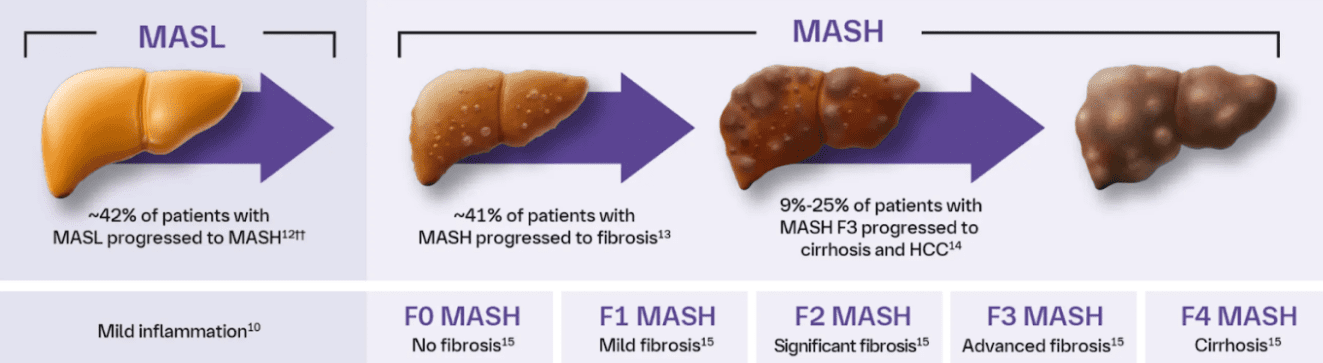
What Is Fatty Liver Disease (MASLD/MASH)?
Fatty liver disease occurs when excess fat accumulates in the liver.
While small amounts of fat may not be harmful, progression can lead to:
- Steatohepatitis (MASH): Inflammation of the liver
- Fibrosis: Formation of scar tissue
- Cirrhosis: Advanced liver damage
- Liver failure or liver cancer
Early intervention is essential to prevent progression.
Symptoms of Fatty Liver Disease
Fatty liver disease may not cause noticeable symptoms in early stages.
However, some individuals may experience:
- Fatigue
- Unexplained weight loss
- Nausea
- Abdominal discomfort
If you experience these symptoms or have risk factors, it’s important to seek evaluation.
Who Is at Risk for Fatty Liver Disease?
You may be at higher risk if you have:
Type 2 diabetes
High blood pressure
Metabolic syndrome
Elevated cholesterol
If you fall into any of these categories, screening is strongly recommended.
How We Treat Fatty Liver Disease?
Treatment focuses on addressing the underlying causes—primarily obesity and metabolic health.
Your personalized plan may include:
- Medical weight loss programs
- Nutritional counseling
- Exercise planning
- Behavioral support
- GLP-1 medications (when appropriate)
By targeting weight loss and metabolic health, we aim to:
- Reduce liver fat
- Improve insulin resistance
- Prevent disease progression
Health Risks of Untreated Fatty Liver Disease
If left untreated, fatty liver disease can increase the risk of:
- Cardiovascular disease
- Type 2 diabetes
- Liver failure
- Liver cancer
Obesity further increases the risk of serious complications and reduced life expectancy.
Frequently Asked Questions About Fatty Liver Disease
Can fatty liver disease be reversed?
Yes, in many cases fatty liver disease can be improved or reversed with early intervention, weight loss, and lifestyle changes.
What is the difference between MASLD and MASH?
MASLD refers to fat buildup in the liver, while MASH includes inflammation and liver damage, which can lead to more serious complications.
Do I need symptoms to have fatty liver disease?
No. Many people have fatty liver disease without noticeable symptoms, which is why screening is important.
How is fatty liver diagnosed?
Fatty liver can be diagnosed through imaging tests such as ultrasound, as well as lab work and clinical evaluation.
Can weight loss improve fatty liver disease?
Yes. Weight loss is one of the most effective ways to reduce liver fat and improve overall liver health.
Take Control of Your Liver Health Today
Early detection and treatment can make a significant difference.