
Can Kids Take Weight Loss Medication? What Parents Need to Know About GLP-1s for Teens
Key Points
- FDA-approved weight loss medications, including semaglutide (Wegovy) and liraglutide (Saxenda), are now approved for adolescents ages 12 and older who meet clinical criteria.
- GLP-1 medications work by mimicking a natural gut hormone that reduces appetite, slows digestion, and helps regulate blood sugar, and they work the same way in teens as they do in adults.
- Medication is never used as a standalone treatment. At Nova Physician Wellness Center, it is always part of a comprehensive plan that includes nutrition counseling, physical activity guidance, and behavioral support.
- Not every teenager with obesity will qualify for medication. A full medical evaluation is required to determine whether it is appropriate and which option is the best fit.
- Most major insurance plans cover obesity medicine treatment for adolescents, including Medicare and Medicaid.
- Nova Physician Wellness Center provides specialized pediatric obesity care for patients ages 12 and older at locations throughout Northern Virginia and Rockville, Maryland.
If your teenager is struggling with obesity, you have probably watched them try things that did not work. Maybe a new diet that felt unsustainable. Maybe a fitness push that did not stick. Maybe nothing at all, because they did not want to talk about it.
You may also have heard about Ozempic and Wegovy. These medications are impossible to ignore right now, and if your child is 12 or older, you might be wondering whether they could actually help.
The answer is: possibly, yes. And it is a conversation worth having with a physician who specializes in pediatric obesity.
At Nova Physician Wellness Center, our team provides pediatric weight loss care for children and adolescents ages 12 and older using the same medically supervised, individualized approach we use for adults. That includes FDA-approved weight loss medications when they are appropriate, as part of a broader plan built around your teenager's health and your family's real life.
Here is what parents need to know.
Why Adolescent Obesity Is a Medical Issue, Not a Willpower Problem
One of the most important things to understand before we talk about medication is this: obesity in teenagers is not caused by laziness or bad choices. It is a chronic medical condition driven by biology, genetics, hormones, environment, and a range of factors that have nothing to do with willpower.
About 21 percent of U.S. adolescents ages 12 to 17 have obesity. That number has been rising for decades, and research makes clear that it rarely resolves on its own without support. Teenagers who have obesity are significantly more likely to carry it into adulthood, along with all the health risks that come with it, including type 2 diabetes, high blood pressure, high cholesterol, fatty liver disease, and sleep apnea.
This is why treating adolescent obesity as a serious medical condition, with the same evidence-based tools we use for adults, matters so much. And that now includes medication for patients who qualify.
What Are GLP-1 Medications and How Do They Work?
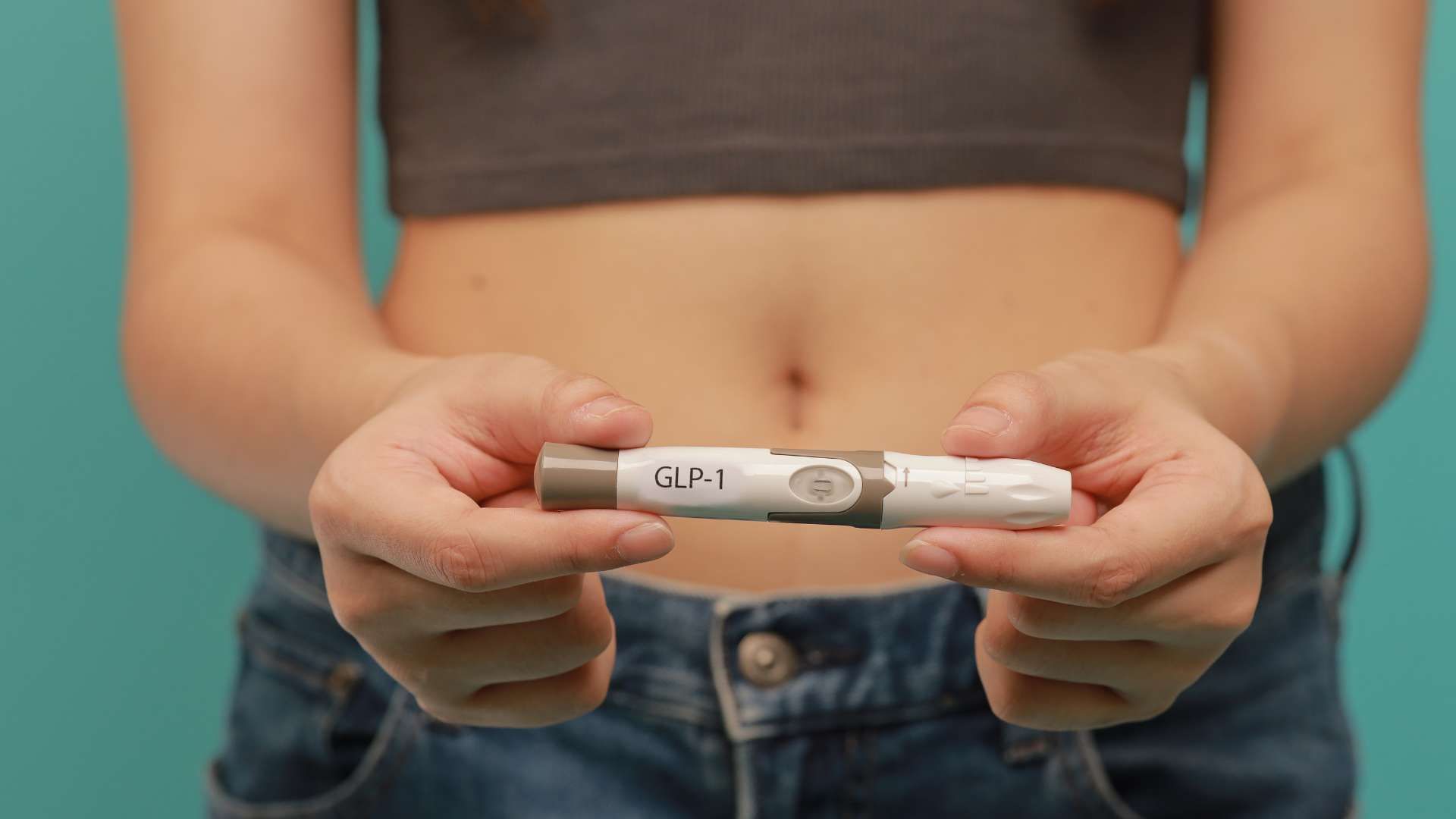
GLP-1 stands for glucagon-like peptide-1. It is a hormone your body produces naturally after eating. It signals the brain that you are full, slows down how quickly the stomach empties food, and helps regulate blood sugar.
GLP-1 medications are designed to mimic this hormone but with a much longer duration of action, lasting days rather than minutes. The result is a meaningful reduction in appetite and a sustained feeling of fullness that makes it easier to eat less without fighting constant hunger signals.
These medications were originally developed to treat type 2 diabetes. During clinical trials, researchers noticed that patients were also losing significant amounts of weight. That discovery led to dedicated obesity medicine applications, and eventually to FDA approval for weight management in both adults and, more recently, adolescents.
The Medications Approved for Teens
Three FDA-approved medications are available for adolescents ages 12 and older at Nova Physician Wellness Center:
Semaglutide (Wegovy) — FDA-approved for chronic weight management in adolescents ages 12 and older with obesity. Given as a once-weekly injection. Clinical trials in adolescents showed meaningful reductions in BMI and improvements in weight-related health markers.
Liraglutide (Saxenda) — FDA-approved for weight management in adolescents ages 12 and older with obesity. Also given as a daily injection. Has a longer track record in pediatric use than semaglutide.
Orlistat — An older medication that works differently from GLP-1s by reducing the amount of fat absorbed from food. FDA-approved for teens ages 12 and older. Less commonly used given the availability of more effective options, but may be appropriate in certain cases.
Our providers will review your teenager's full health picture to determine which medication, if any, is the right fit.
Who Qualifies for Weight Loss Medication as a Teen?
Not every teenager with obesity will be a candidate for medication, and that is an important distinction. A thorough medical evaluation is always the first step.
Generally, a teenager may be considered for FDA-approved weight loss medication if they:
- Are 12 years of age or older
- Have a BMI at or above the 95th percentile for their age and sex, which is the clinical definition of obesity
- Have tried lifestyle modifications including changes to diet and activity levels without achieving adequate results
- Do not have any medical conditions or current medications that would make a particular drug unsafe
There are also specific conditions that would make some medications off-limits. For example, GLP-1 medications are not recommended for patients with a personal or family history of certain thyroid cancers. This is exactly why a comprehensive medical evaluation, not just a quick consultation or an online questionnaire, is essential before starting any weight loss medication
What Does Treatment Actually Look Like?
This is the question parents most often ask, and it is worth answering in detail because the answer matters a great deal.
At Nova Physician Wellness Center, medication is never handed out on its own. Pediatric obesity treatment is always comprehensive and family-centered, built around four core components:
Medical Evaluation and Ongoing Monitoring
Your teenager's first appointment includes a complete medical history, a review of all current medications, and advanced body composition testing using the InBody 570. This device measures body fat percentage, lean muscle mass, body water, and resting metabolic rate, giving our providers a far more detailed picture than a standard scale or BMI calculation alone.
Lab work is ordered to screen for weight-related conditions including high blood sugar, insulin resistance, thyroid dysfunction, high cholesterol, and liver function markers. If medication is started, follow-up visits are scheduled regularly to monitor progress, review labs, and adjust the plan as your teenager's needs change.
Nutritional Counseling
Our registered dietitians and certified nutrition specialists provide nutritional counseling for your teenager and your family, building a practical, sustainable approach to eating. Meal plans are built around real grocery store foods. Dietary needs including vegetarian, vegan, and gluten-free are accommodated. The goal is not a temporary diet. It is a lasting shift in how your family approaches food together.
This is especially important for teenagers on GLP-1 medications, since reduced appetite can sometimes lead to inadequate protein intake. Our dietitians make sure your teenager is eating enough of the right things to protect lean muscle and support healthy development.
Physical Activity Planning
Exercise recommendations are tailored to your teenager's current fitness level, any physical limitations, and activities they actually enjoy. The goal is to build a positive relationship with movement, not create another thing that feels like a punishment.
Behavioral Support
The emotional side of adolescent weight management matters just as much as the physical side. Many teenagers with obesity also experience depression, anxiety, low self-esteem, or disordered eating patterns. Our behavioral modification support addresses these factors as part of the treatment plan, not as an afterthought.
Is It Safe? What Parents Ask Most
Parent concerns about medication safety are completely understandable and our team takes them seriously. Here is what the evidence shows.
The clinical trials that led to FDA approval for adolescent use were conducted specifically in teenage populations. In the semaglutide trials for adolescents with obesity, participants saw significant reductions in BMI with a side effect profile similar to what adults experience, primarily nausea and digestive symptoms in the early weeks that typically improve as the body adjusts.
The gradual dose escalation protocol used in physician-supervised programs is designed specifically to minimize side effects. Starting low and increasing slowly gives the body time to adjust and significantly reduces the likelihood of severe nausea or other gastrointestinal symptoms.
It is also worth noting that the health risks of untreated adolescent obesity are well established and serious. Conditions like type 2 diabetes, high blood pressure, and fatty liver disease can and do develop in teenagers. For many families, the risk-benefit calculation clearly favors treatment.
Your teenager will never be started on medication without a full evaluation, a thorough conversation with our providers, and your family's informed understanding of what to expect.
Insurance Coverage for Adolescent Obesity Treatment
Cost is a real concern for many families, and one of the most common reasons parents delay seeking care. Nova Physician Wellness Center accepts most major insurance plans, including Medicare and Medicaid. You can verify your insurance coverage directly on our website.
Coverage for GLP-1 medications varies by plan and requires prior authorization in most cases. Our team navigates that process with you so you are not figuring it out alone.
Ready to Find Out If Your Teen Qualifies?
If your teenager is 12 or older and struggling with obesity, the best next step is a real conversation with a physician who specializes in exactly this. Our team provides compassionate, evidence-based pediatric weight loss care with no judgment and no shame, just a plan built around your child's health and your family's real life.
We also offer telemedicine appointments for families who prefer to start with a virtual visit. We have in-person locations throughout Northern Virginia, including Fairfax, Vienna, Arlington, Lansdowne, Sterling, Woodbridge, and Charlottesville, as well as Rockville, Maryland.
Call (703) 865-6490 or visit novaphysicianwellness.com to schedule your consultation. New patients are always welcome.
Frequently Asked Questions About GLP-1 Medications for Teens
What is the youngest age a teen can take Wegovy or Saxenda?
Both Wegovy (semaglutide) and Saxenda (liraglutide) are FDA-approved for adolescents ages 12 and older who meet clinical criteria for obesity. Eligibility is determined through a complete medical evaluation at Nova Physician Wellness Center.
Do GLP-1 medications stunt growth in teenagers?
Current clinical trial data does not show that GLP-1 medications interfere with normal growth or development in adolescents. Our providers monitor growth and development as part of ongoing follow-up care.
How long does a teenager stay on weight loss medication?
Obesity is a chronic condition, and the length of treatment is individualized. Some teenagers benefit from a defined course of treatment, while others continue longer term. Because weight tends to return when medication is stopped without sustained lifestyle changes, our team works with your family on a long-term management strategy through our weight maintenance program.
What are the most common side effects of GLP-1 medications in teens?
The most commonly reported side effects are nausea, vomiting, diarrhea, and constipation, particularly in the first few weeks of treatment. These typically improve as the body adjusts and the dose increases gradually. Our providers manage side effects actively so your teenager does not have to push through them alone.
Will my teenager have to take injections?
Both Wegovy and Saxenda are administered as once-weekly and once-daily injections respectively. Our team walks families through the injection process at the start of treatment so it feels manageable and not intimidating.
My child is 11. Can they still be seen at Nova?
Nova Physician Wellness Center currently provides pediatric obesity care for patients ages 12 and older. If your child is approaching that age and you have concerns, we encourage you to reach out so we can help you plan next steps.
FAQs About Nova Physician Wellness Center
-
What does Nova Physician Wellness Center specialize in?
Nova Physician Wellness Center is an obesity treatment practice focused exclusively on medically supervised weight loss for both adults and adolescents. The care team includes board-certified obesity medicine physicians, board-certified nurse practitioners, registered dietitians, certified nutrition specialists, and behavioral health professionals.
-
Does Nova treat children and teenagers?
Yes. Nova Physician Wellness Center provides specialized pediatric obesity care for patients ages 12 and older. Treatment is individualized, family-centered, and always conducted in a judgment-free environment.
-
Where are your locations?
The practice has locations throughout Northern Virginia, including Fairfax, Lansdowne, Vienna, Arlington, Charlottesville, Sterling, and Woodbridge, as well as Rockville, Maryland. Telemedicine appointments are also available.
-
What insurance plans do you accept?
Nova Physician Wellness Center accepts most major insurance plans, including Medicare and Medicaid. Visit our insurance page to verify your specific coverage.
-
How do I get started?
Call (703) 865-6490 or visit novaphysicianwellness.com to request informationCall (703) 865-6490 or visit novaphysicianwellness.com to schedule a consultation. New patients are always welcome.or book a consultation online.
Title or Question
Disclaimer: The information provided on this blog is for general informational purposes only and is not intended as, and should not be considered, medical advice. All information, content, and material available on this blog are for general informational purposes only. Readers are advised to consult with a qualified healthcare professional for medical advice, diagnosis, or treatment. The author and the blog disclaim any liability for the decisions you make based on the information provided. Always seek the advice of your physician or other qualified health provider with any questions you may have regarding a medical condition.