
What Is Retatrutide? Everything Patients Need to Know in 2026
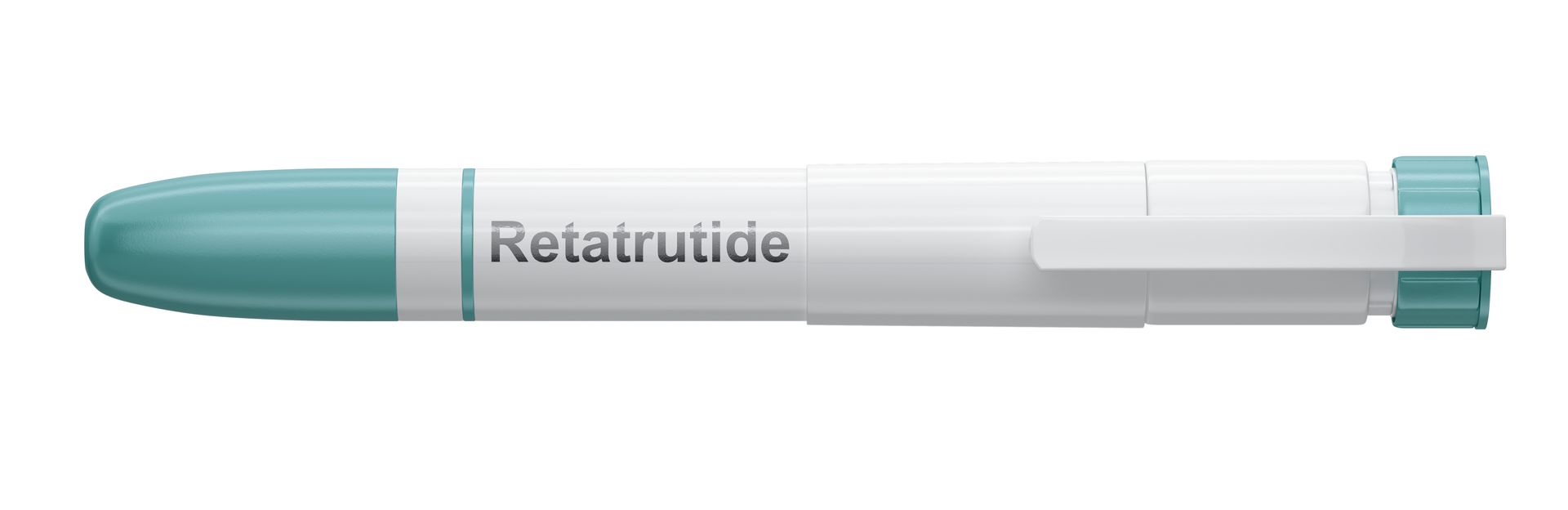
Medically reviewed by the medical team at Nova Physician Wellness Center | August 2026
Key Points
- Retatrutide is an investigational weight loss medication developed by Eli Lilly. As of August 2026, it is not FDA approved and cannot be legally prescribed or purchased outside of a clinical trial.
- It is a triple hormone receptor agonist, meaning it targets three metabolic pathways simultaneously: GLP-1, GIP, and glucagon. No currently approved medication works on all three at once.
- Phase 3 clinical trial data presented at the American Diabetes Association Scientific Sessions in June 2026 showed an average weight loss of 28.3 percent of body weight at 80 weeks at the highest dose, the largest weight loss ever recorded in a pivotal obesity trial.
- Eli Lilly has indicated it plans to submit a New Drug Application to the FDA in late 2026, with approval, if granted, unlikely before late 2027 or 2028.
- Compounded or online retatrutide products are not FDA approved and carry significant safety risks. They are not the same as the medication being studied in clinical trials.
- Patients who are not yet candidates for retatrutide have access to highly effective FDA-approved treatments right now, including semaglutide (Wegovy) and tirzepatide (Zepbound) at Nova Physician Wellness Center.
If you have been following obesity medicine news over the past year, you have probably heard the name Retatrutide. It has generated more attention in the weight loss space than almost any drug in recent memory, and for good reason. The clinical trial data coming out of the TRIUMPH program is genuinely remarkable by any historical standard.
But there is also a great deal of confusion surrounding it. Social media is full of claims that it is already available, that it can be compounded, or that certain online providers are already prescribing it. Most of that information is inaccurate, some of it is dangerous, and all of it needs to be understood clearly before anyone makes a decision about their health.
This post is a straightforward, medically accurate overview of what retatrutide is, what the research actually shows, where it stands in the regulatory process as of August 2026, and what patients who are interested in it should be doing right now.
What Is Retatrutide?
Retatrutide, also identified by its research name LY3437943, is an investigational medication developed by Eli Lilly, the same pharmaceutical company that makes Zepbound and Mounjaro (tirzepatide).
It is the first-in-class triple hormone receptor agonist to reach Phase 3 development. That distinction matters because it means retatrutide works differently from every weight loss medication that is currently FDA approved.
To understand why, a quick look at how current medications work is helpful.
The Evolution From Single to Triple Agonism
The current generation of weight loss medications works by mimicking gut hormones that regulate appetite and metabolism. The first major breakthrough was GLP-1 receptor agonists like semaglutide (Wegovy), which target one receptor. Then came dual agonists like tirzepatide (Zepbound), which target two receptors: GLP-1 and GIP.
Retatrutide targets three metabolic pathways by activating receptors for GLP-1, GIP, and glucagon. Here is what each of those does:
GLP-1 (glucagon-like peptide-1): Signals the brain that you are full, slows gastric emptying, and helps regulate blood sugar. This is the same pathway targeted by semaglutide.
GIP (glucose-dependent insulinotropic polypeptide): Works alongside GLP-1 to enhance insulin secretion and improve how fat tissue responds to metabolic signals. This is the second receptor targeted by tirzepatide.
Glucagon: A hormone that plays a central role in energy expenditure and fat metabolism. By activating glucagon receptors, retatrutide may increase the rate at which the body burns stored fat, adding a third mechanism that neither semaglutide nor tirzepatide can access.
This triple mechanism is what makes retatrutide so significant from a research standpoint, and it is what drives the extraordinary weight loss numbers coming out of clinical trials.
What Does the Clinical Trial Data Actually Show?
The clinical program for retatrutide, called the TRIUMPH program (which stands for TRIple-hormone-receptor aGonist for ObesIty Management Pivotal), is one of the most closely watched drug development programs in recent obesity medicine history.
Phase 3 TRIUMPH-1 Results (June 2026)
Phase 3 trial data presented at the American Diabetes Association 2026 Scientific Sessions showed that retatrutide produced substantial reductions in body weight across adults with obesity or overweight.
TRIUMPH-1 reported 25.9 to 28.3 percent mean weight loss at week 80 with the 9 to 12 mg doses, including 30.3 percent loss in participants with a baseline BMI of 35 or higher.
To put those numbers in context: in the landmark STEP-1 trial, participants on semaglutide 2.4 mg weekly lost an average of 14.9 percent of body weight over 68 weeks. In the SURMOUNT-1 trial, participants on the highest dose of tirzepatide lost an average of 20.9 percent of body weight over 72 weeks.
At the 12 mg dose of retatrutide, 62.5 percent of participants achieved 25 percent or more weight loss, and 27.2 percent achieved 35 percent or more, compared to 2.2 percent and 0.3 percent on placebo. A body weight reduction of 35 percent or more is a threshold approaching the efficacy ceiling of bariatric surgery.
TRIUMPH-1 in Numbers
| Medication | Trial | Average Weight Loss |
|---|---|---|
| Semaglutide (Wegovy) | STEP-1 | 14.9% at 68 weeks |
| Tirzepatide (Zepbound) | SURMOUNT-1 | 20.9% at 72 weeks |
| Retatrutide | TRIUMPH-1 | 28.3% at 80 weeks |
Note: These figures come from separate trials with different populations and designs. Direct head-to-head comparison data between retatrutide and approved medications is not yet available.
Results Beyond Weight Loss
Nested analyses from TRIUMPH-1 demonstrated a 73.1 percent reduction in WOMAC knee pain scores and a 60.6 percent reduction in apnea-hypopnea index, supporting multisystem benefits beyond weight and blood sugar control.
Diabetes Results: TRANSCEND-T2D-1
TRANSCEND-T2D-1 enrolled 537 adults with recent-onset type 2 diabetes with inadequate glycemic control on diet and exercise alone. Patients receiving retatrutide achieved a mean A1C reduction of up to 2.0 percent. Ninety percent of participants on retatrutide reached the ADA's general A1C target of below 7 percent, and up to 85 percent achieved 6.5 percent or lower. Those on the 12 mg dose lost an average of 36.6 pounds, a 16.8 percent reduction, with no sign of plateauing at week 40.
What Are the Known Side Effects?
Retatrutide is not without risks, and being medically accurate about what is known matters.
The gastrointestinal adverse event profile is consistent with the GLP-1 receptor agonist class: nausea, diarrhea, constipation, and vomiting, mostly mild to moderate, and primarily occurring during dose escalation.
Two signals from the trial data require particular attention. The first is a urinary tract infection signal that has not been seen with other incretin therapies. In TRIUMPH-1, UTI rates were 7.5 to 8.8 percent across retatrutide doses versus 5.3 percent with placebo, a modest absolute increase but a consistent signal worth monitoring. This occurred predominantly in women and may be related to hydration status, though further investigation is ongoing.
The second is a modest increase in resting heart rate associated with the glucagon component. This is why regulators will want long-term cardiovascular data before approving broad use. The TRIUMPH-3 cardiovascular outcomes trial, which enrolls adults with established cardiovascular disease alongside obesity or type 2 diabetes, is still ongoing. Its results will be critical for the final safety picture before any FDA approval.
Is Retatrutide FDA Approved?
This is the most important question, and the answer is unambiguous.
As of August 2026, retatrutide is not FDA approved. It remains an investigational drug in Phase 3 clinical trials, which means it cannot be legally prescribed, purchased, or compounded outside of a clinical study.
As of mid-2026, Eli Lilly has not yet submitted a New Drug Application to the FDA. The company has indicated it aims to file by late 2026, and some industry analysts place the submission in late 2026 or early 2027. Once an NDA is filed, the FDA's standard review runs about 10 to 12 months. That means approval, if everything proceeds without complications, is most realistically projected for late 2027, with commercial availability potentially in 2028. Drug timelines frequently shift, and any specific date should be treated as a projection, not a promise.
What About Compounded Retatrutide?
This deserves a direct answer because the question comes up frequently, and the answer carries real safety implications.
Retatrutide is not on the FDA's list of bulk substances approved for compounding. That is the legal reason compounding pharmacies cannot make it. When semaglutide and tirzepatide were in shortage, federal rules temporarily allowed compounded versions of those medications. Retatrutide has never been in that category.
Products sold online claiming to be retatrutide are not FDA approved for human use. Quality, purity, and safety cannot be verified. Without the quality controls that come with FDA oversight, there is no guarantee that what is being sold contains what it claims to contain, in the concentration claimed, or that it is safe for human use.
Our advice to anyone considering this: do not. The risk is not theoretical.
Who Might Qualify for Retatrutide in the Future?
It is too early to know exactly what the prescribing criteria will look like once retatrutide receives FDA approval, because the label has not been written yet. However, based on the trial eligibility criteria used in TRIUMPH-1 and the existing framework for GLP-1 medications, patients who may be future candidates could include:
- Adults with a BMI of 30 or higher, which is the clinical definition of obesity
- Adults with a BMI of 27 or higher with at least one weight-related health condition such as high blood pressure, type 2 diabetes, high cholesterol, or sleep apnea
- Patients who have not achieved adequate results with currently approved medications
- Patients with type 2 diabetes who need both meaningful glycemic control and significant weight reduction
The cardiovascular outcomes data from TRIUMPH-3 will also influence whether retatrutide eventually receives specific indications for patients with existing heart disease, similar to semaglutide's current cardiovascular label indication.
What Should Patients Do Right Now?
This is the most practical section of this post, because the honest answer to "should I wait for retatrutide?" is almost always: no.
Waiting two or more years for a medication that has not yet been approved, while metabolic dysfunction continues to progress, is not a neutral decision. Obesity is a progressive chronic disease. Every year that passes with untreated or inadequately treated obesity increases the risk of developing or worsening type 2 diabetes, cardiovascular disease, fatty liver disease, sleep apnea, joint disease, and a range of other serious conditions.
The patients who will be best positioned to benefit from retatrutide when it does become available are those who have been working with a physician-supervised program in the meantime, building the metabolic health, lean muscle mass, nutrition habits, and behavioral foundation that any successful long-term weight management requires.
And for most patients, that means starting with what is available and highly effective right now. At Nova Physician Wellness Center, our providers offer FDA-approved treatments including semaglutide (Wegovy) and tirzepatide (Zepbound), both of which produce substantial, evidence-backed weight loss for patients who qualify. These are not stopgap options. They are among the most effective weight loss medications ever brought to market.
Our comprehensive obesity treatment program pairs medication with nutritional counseling, behavioral modification support, physical activity planning, and ongoing physician monitoring to produce results that are built to last. When retatrutide does become available and if it is appropriate for your health profile, your treatment can evolve with the science.
That is what it means to work with a physician rather than waiting on the internet.
Find Physician-Supervised Weight Loss Care in Northern Virginia and Maryland
Nova Physician Wellness Center is committed to staying at the forefront of obesity medicine and metabolic health. We will continue to follow the retatrutide regulatory process closely and update our patients as the science develops.
In the meantime, our team is here to help you get started with a treatment plan that is evidence-based, medically supervised, and built around your individual health right now.
We have locations in Fairfax, Vienna, Arlington, Lansdowne, Sterling, Woodbridge, and Charlottesville in Virginia, and Rockville in Maryland. Telemedicine appointments are also available for patients across Virginia and Maryland. Most major insurance plans are accepted, including Medicare and Medicaid. You can verify your insurance coverage on our website.
Call (703) 865-6490 or visit novaphysicianwellness.com to schedule your consultation. New patients are always welcome.
Frequently Asked Questions About Retatrutide
What is retatrutide?
Retatrutide is an investigational weight loss medication developed by Eli Lilly. It is a triple hormone receptor agonist, meaning it activates GLP-1, GIP, and glucagon receptors simultaneously. No currently approved medication targets all three pathways at once. It is not yet FDA approved.
Is retatrutide FDA approved?
No. As of August 2026, retatrutide is not FDA approved. It remains an investigational drug in Phase 3 clinical trials. Eli Lilly has indicated it plans to submit a New Drug Application to the FDA in late 2026, with approval, if granted, unlikely before late 2027 or 2028.
How much weight loss did retatrutide show in clinical trials?
Phase 3 TRIUMPH-1 trial data presented at the ADA 2026 Scientific Sessions showed an average weight loss of 28.3 percent of body weight at 80 weeks at the highest dose. This is the largest weight loss ever recorded in a pivotal obesity trial, exceeding both semaglutide at 14.9 percent in STEP-1 and tirzepatide at 20.9 percent in SURMOUNT-1, though direct head-to-head comparisons have not been conducted.
Can I get retatrutide online or through a compounding pharmacy?
No. Retatrutide is not approved for compounding and cannot be legally prescribed outside of a clinical trial in the United States. Products sold online claiming to be retatrutide are not FDA regulated, their safety and purity are not guaranteed, and they should be avoided.
How is retatrutide different from Wegovy or Zepbound?
Wegovy (semaglutide) targets one receptor: GLP-1. Zepbound (tirzepatide) targets two: GLP-1 and GIP. Retatrutide targets three: GLP-1, GIP, and glucagon. The addition of the glucagon receptor may increase energy expenditure and fat burning in ways the current approved medications cannot, which is why the weight loss numbers in trials are significantly higher. However, retatrutide also comes with some novel side effects not seen with earlier medications, and long-term safety data is still being gathered.
Should I wait for retatrutide before starting a weight loss program?
In most cases, no. Obesity is a progressive chronic disease and delaying treatment while waiting for a medication that may not be available for two or more years carries real health risks. FDA-approved options including semaglutide and tirzepatide produce substantial, evidence-backed weight loss and are available now. When retatrutide becomes available, your treatment can evolve if it is appropriate for your health profile.
Will Nova Physician Wellness Center offer retatrutide when it is approved?
Our team closely follows all developments in obesity medicine and will evaluate retatrutide as part of our treatment options if and when it receives FDA approval. Our goal is always to offer our patients the most current, evidence-based, and medically appropriate treatments available.
FAQs About Nova Physician Wellness Center
-
What does Nova Physician Wellness Center specialize in?
Nova Physician Wellness Center is an obesity treatment practice focused exclusively on medically supervised weight loss and metabolic health. The care team includes board-certified obesity medicine physicians, board-certified nurse practitioners, registered dietitians, certified nutrition specialists, and behavioral health professionals.
-
What weight loss medications are currently available at Nova?
Nova Physician Wellness Center offers FDA-approved weight loss medications including semaglutide (Wegovy), tirzepatide (Zepbound), liraglutide (Saxenda), and orlistat. Our providers evaluate each patient individually to determine which option is most appropriate based on their complete health picture and insurance coverage.
-
Where are your locations?
The practice has locations in Fairfax, Lansdowne, Vienna, Arlington, Charlottesville, Sterling, and Woodbridge in Virginia, and Rockville in Maryland. Telemedicine appointments are also available.
-
What insurance plans do you accept?
Nova Physician Wellness Center accepts most major insurance plans, including Medicare and Medicaid. Visit our insurance page to verify your specific coverage.
-
How do I get started?
Call (703) 865-6490 or visit novaphysicianwellness.com to schedule a consultation. New patients are always welcome.
Title or Question

Medical Disclaimer: The information in this blog post is for general educational purposes only and reflects publicly available clinical trial data and regulatory information as of August 2026. Retatrutide is an investigational drug that has not received FDA approval. It is not available for prescription outside of clinical trials. This post does not constitute medical advice, and nothing here should be used to make decisions about your own health or treatment. Please speak with a board-certified physician before making any changes to your weight management plan.
Disclaimer: The information provided on this blog is for general informational purposes only and is not intended as, and should not be considered, medical advice. All information, content, and material available on this blog are for general informational purposes only. Readers are advised to consult with a qualified healthcare professional for medical advice, diagnosis, or treatment. The author and the blog disclaim any liability for the decisions you make based on the information provided. Always seek the advice of your physician or other qualified health provider with any questions you may have regarding a medical condition.